Seda Izmirli Karamanli
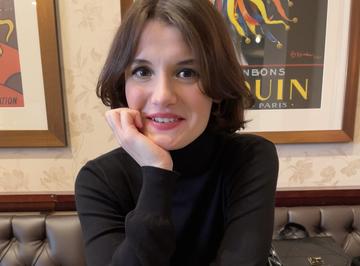
Seda İzmirli-Karamanlı received her PhD from the College of Humanities at the SOAS University of London. She completed her BA and MA degrees at Boğaziçi University. Her research interests include gender politics in the Middle East and the history, art, and culture of the nineteenth-century Ottoman world, with particular attention to non-Muslim women.
Seda’s doctoral research, “Theodosia Sophroniades: Insider as Outsider in Late Ottoman Istanbul,” focuses on a minority voice that resists essentialist narratives and fixed categories in late Ottoman intellectual history. Her pioneering roles in the multilingual milieu of the late nineteenth century stand in contrast to her silencing in women’s historiography. Her Western-centric feminist views, which embraced extramarital love as a means of asserting female individuality, at times applied elements of Oriental exoticism through the aesthetics of Chinoiserie. French, as her medium of expression, enabled her to distance herself from her own ethno-religious identity, while revealing a notable absence of characteristics of Greek nationalist values and of the (non-)role of Orthodox Christianity in her works.
As part of the ONGC fellowship, Seda’s research, “Writing the Armenian Female Subject After Genocide,” integrates Anayis, the pen name of Armenian woman writer Yeprime Avedisian (1872–1950), into academic debates on historical female agency. Her writings (1919-1931) on the Armenian female body and sexuality celebrated female autonomy, emphasising the constrained freedom and limited opportunities available to women. The research analyses how Armenian female identity was defined in Anayis’ works in the aftermath of the 1915 Armenian Genocide and examines the underlying dynamics moulding her rhetoric. It scrutinises the memory of crisis and the resistance strategies she developed, seeking new perspectives on global multiculturalism, migration policies, diaspora communities, and cultural identity.
During her affiliation with the ONGC, Seda’s chapter “Mihrî Hâtun” was published in The Palgrave Encyclopedia of Medieval Women’s Writing in the Global Middle Ages. Her article “Unmaking Mother, Wife, and Chaste Woman: Subverted Femininities in Theodosia Sophroniades’ Narratives” has been accepted for publication in the British Journal of Middle Eastern Studies.

